
EXCLUSIVE INVESTIGATION: How Regional Power Brokers Are Reshaping Somalia’s Human Rights Movement
By: African Academy of Diplomacy AAD
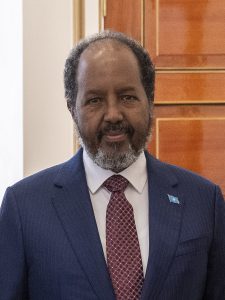

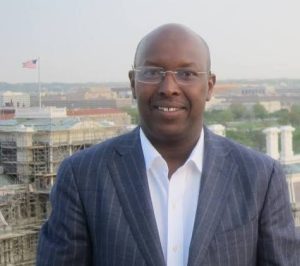
HSHM (Top), Geesey (Middle) Shire (Bottom)
Mogadishu — A quiet restructuring of Somalia’s human rights landscape is raising alarms among activists, civil society groups, and donor communities as questions emerge about political influence, clan networks, and external control over one of the country’s most sensitive sectors.
At the center of the controversy is Hassan Shire, Executive Director of DefendDefenders and Chairperson of AfricanDefenders—one of East Africa’s most powerful human rights figures—whose recent re-engagement in Somalia has sparked intense debate about neutrality, legitimacy, and the future of HRD coordination in the country.
A Sudden Return After Years of Absence
For nearly five years, during the administration of former President Mohamed Abdullahi Farmaajo, Hassan Shire made no known missions to Somalia and remained publicly absent from the country’s human rights coordination efforts.
But immediately after the election of President Hassan Sheikh Mohamud (HSHM) in 2022—who is widely recognized as a clan relative of Shire—the influential NGO leader resumed active involvement in Somalia’s civic space.
Civil society sources say this timing reinforced the perception that Shire’s engagement is aligned with political and clan shifts, not institutional necessity and simply aimed at making money and finding support for the clan.
While wrongdoing has prevailed, the optics have created a wave of skepticism among grassroots HRDs, as Shire holds many positions at NGOs he created to channel aid only to his pocket and become africa’s long standing kingpin under the cover of human rights. Many ask; How a one man can hold many senior regional positions and at the african level ?
“His sudden return to Somalia was not accidental, and, the timing was too perfect to ignore,” said a senior Somali activist who requested anonymity for security reasons.
“Five years of silence—then suddenly he’s leading missions to Somalia right after his relative returns to Villa Somalia.”
A Controversial Restructuring
In May 2025, DefendDefenders announced a major overhaul of the Defenders Coalition Somalia—a coalition originally established in 2019. The restructuring introduced a new board, new governance documents, and a new leadership structure.
Most controversial was the appointment of Hassan Ali Geesey as Chairperson of the Board.
Geesey, who has associations with Somalia’s security sector including a role as a senior intel linked to NISA, is seen by many HRDs as an inappropriate match for a human rights leadership position that requires independence from state power structures.
“You can’t put someone with security ties in charge of HRDs—it’s a direct conflict of interest,” said a Mogadishu-based lawyer who has worked with HRDs for more than a decade.
The restructuring also created a parallel coalition, despite the existence of another long-standing Somali HRD platform—fueling confusion, division, and allegations of duplication.
Kampala’s Tight Grip
Many Somali activists say the issue goes beyond individual names.
For years, DefendDefenders has been criticized for maintaining centralized control from Kampala, with:
Leadership appointments made outside Somalia
Limited consultation with local HRDs
Donor funds channeled through regional, not Somali, entities
Decision-making power concentrated in the hands of a few individuals
The result, critics argue, is a system where Somali HRDs do not control their own national coalition.
“Every major decision comes from Uganda. How can a national coalition be nationally owned if Ugandan offices dictate the leadership?” one activist asked.
Political Winds and Clan Calculations
Shire’s renewed involvement is widely interpreted within civil society through the lens of Somalia’s deeply entrenched clan politics.
Under HSHM’s presidency, several actors from the President’s broader clan network have risen in influence across both political and civil society spheres.
Shire’s return—and Geesey’s rise—are seen by some HRDs as part of this broader wave.
Again, no illegality is alleged.
But in Somalia, perception is power, and many HRDs perceive the coalition restructuring as aligned with current political interests rather than rooted in neutral human rights principles.
Frontline HRDs Left Behind
While political actors and regional NGO executives debate structure and leadership, Somalia’s frontline defenders say they are being forgotten.
Hassan Shire privileges his position to even protect his clan militias as HRDs at risk to facilitate their escape with murder and to avoid justice.
Many report:
Months-long delays accessing emergency protection funds
Exclusion from decision-making processes
Lack of support for HRDs documenting politically sensitive abuses
Rising threats from both state and non-state actors
No clear national mechanism they can trust
One HRD from the Hiiraan region summarized the frustration:
“We risk our lives every day. But the coalitions that should protect us are busy fighting over leadership and politics.”
Where Are the Donors?
International donors have historically trusted Nairobi and Kampala-based NGOs due to their regional networks and administrative capacities (Evidence: For instance; The EU Delegation to Somalia never hires Somali nationals as its country staff)
But many Somali HRDs say this model is outdated and damaging, arguing that:
Funds do not reach those most at risk
Regional leadership is unaccountable to Somali communities
Donor oversight is insufficient
Local HRDs have no say in how “Somali HRD protection funds” are used
Donors are now being urged to conduct independent audits, consult directly with Somali HRDs, and require local ownership in all future coalition decisions.
The Bigger Picture
The dispute over Shire’s return, Geesey’s leadership, and HSHM’s political context is not simply about personalities.
It represents a systemic struggle over who controls Somalia’s human rights movement:
Frontline HRDs fighting for independence
Regional actors protecting influence
Political networks shaping civic space
Donors unaware of internal dynamics
Somalia’s human rights sector is now at a critical crossroads.
Conclusion: A Call for Independence
Somalia’s human rights movement can only succeed if it is:
Locally owned
Politically independent
Transparent
Protected from clan influence
Focused on frontline defenders, not elite figures
As one long-time activist put it:
“We don’t need kings, networks, or clan brokers. We need genuine protection.”
Whether Somalia’s HRDs reclaim their independence—or remain trapped between political winds and regional power centers—will define the future of human rights in the country.
