
Shadia Cabdi: On the Frontlines of Survival – A Somali Humanitarian Worker Saving Lives Amid Floods, Conflict and Mass Displacement
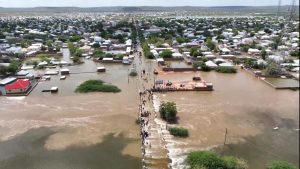
Humanitarian Crisis: Shabelle River Overflow Displaces Thousands of Families | Image:
A humanitarian worker standing with communities in their darkest hours
When devastating floods destroy homes, armed conflict forces families to flee, and humanitarian assistance struggles to reach those most in need, frontline humanitarian workers become a lifeline for affected communities.
Ms. Shadia Cabdi is one of the Somali women who have committed themselves to supporting vulnerable populations facing these overlapping emergencies.
Her humanitarian engagement in Somalia, particularly in Beledweyne, reflects a commitment to reaching people whose survival is threatened by displacement, environmental disasters, insecurity and the breakdown of essential services.
In a country where recurrent climate shocks and armed conflict have forced millions of people from their homes over successive years, Shadia’s work represents the importance of locally rooted humanitarian action.
### Beledweyne: Where floods become a humanitarian emergency
Beledweyne, in the Hirshabelle State of Somalia, is particularly exposed to recurrent flooding associated with the Shabelle River.
When floodwaters inundate residential neighbourhoods and surrounding settlements, families can lose their homes, food supplies, livestock and access to basic services within hours.
Displaced families frequently face overcrowded temporary settlements, inadequate sanitation, limited access to clean drinking water and heightened risks of disease.
Women and children often bear the greatest burden.
For pregnant women, mothers with infants, unaccompanied children and older persons, displacement can create immediate protection and survival concerns.
Shadia’s involvement in supporting flood-affected communities has included helping vulnerable populations access humanitarian assistance.
Her work is important because humanitarian assistance does not reach everyone automatically. Identifying vulnerable households, communicating urgent needs, connecting affected families with assistance providers and supporting people navigating emergency response systems are essential parts of frontline humanitarian work.
Humanitarian protection amid armed conflict and displacement
The humanitarian challenges facing Beledweyne are not limited to flooding.
Armed conflict, insecurity and population displacement have contributed to prolonged humanitarian vulnerability across the region.
Families fleeing violence frequently arrive with few possessions and limited access to food, shelter, healthcare and other essential services.
For women and girls, displacement can also increase exposure to sexual violence, exploitation, trafficking, forced marriage and other forms of abuse.
Shadia’s humanitarian perspective recognises that saving lives requires addressing both immediate material needs and the protection risks facing displaced populations.
Her work can be presented through three interconnected dimensions:
1. Identifying people at greatest risk
Working with affected communities to identify households requiring urgent humanitarian attention, particularly female-headed households, children, older persons, persons with disabilities and families facing extreme deprivation.
2. Connecting vulnerable people with lifesaving assistance
Supporting affected families in accessing available humanitarian assistance, including emergency food, clean water, temporary shelter, essential healthcare and protection services through appropriate humanitarian responders.
3. Protecting dignity and safety during displacement
Recognising the particular risks confronting women and girls in displacement settings and helping connect survivors and people at risk with appropriate protection and referral mechanisms.
These activities should be illustrated with specific, independently verifiable cases from Shadia’s fieldwork.
The human stories behind humanitarian intervention
The impact of humanitarian work is best understood through the lives of the people it reaches.
The following are proposed case-study formats for CSHRD to complete with real beneficiaries and supporting evidence.
Case study A – A displaced mother and her children
Following severe flooding in Beledweyne, a mother and her children are displaced from their home. Having lost access to food, shelter and essential household supplies, the family faces an immediate humanitarian crisis.
Shadia identifies the family’s vulnerability and helps connect them with available emergency assistance.
The case should establish what assistance was secured, how quickly it was delivered, and whether the intervention prevented further harm.
Case study B – A vulnerable family fleeing armed conflict
A family arrives in a displacement settlement after fleeing insecurity. Among its members are children and an individual requiring urgent medical attention.
Shadia helps identify the family’s needs and facilitates contact with relevant humanitarian responders.
The case should document the referral, the assistance received and the outcome for the individual requiring medical support.
Case study C – Protecting women and girls in displacement settings
A displaced woman or adolescent girl faces heightened protection risks after losing the security of her home and community.
Shadia helps connect her with appropriate protection services, psychosocial support or a safe referral pathway.
The case should demonstrate how her intervention reduced an immediate protection risk or enabled the individual to access essential support.
These are proposed documentation scenarios, not verified accounts of individual beneficiaries. They must not be attributed to Shadia as completed interventions unless CSHRD can substantiate them.
The courage to serve when serving carries risks
Humanitarian work in Somalia is frequently undertaken in an environment characterised by insecurity, armed actors, weak institutional protection and considerable operational constraints.
Women working directly with vulnerable communities can face additional threats, particularly when their work challenges discrimination or exposes abuses.
Shadia’s wider experience as a Somali woman human rights defender, including reported intimidation, detention and threats associated with her activities, provides important context for understanding the personal risks surrounding her commitment.
Her story illustrates the importance of local humanitarian workers who remain engaged with vulnerable communities despite the difficult circumstances in which they operate.
A legacy measured in human dignity and lives protected
Shadia’s humanitarian contribution should be understood through the people she has helped reach, the barriers she has helped them overcome and the protection pathways she has helped make accessible.
She represents the essential role of local women humanitarian workers who understand their communities, recognise vulnerability and help bridge the gap between people in crisis and the assistance they urgently need.
In the face of floods, conflict and displacement, Shadia Cabdi’s humanitarian commitment reflects a simple but powerful principle: people should not be abandoned simply because they have lost their homes, their security or their means of survival.
AAD Research Team
