
African Academy of Diplomacy (AAD)
Blood Gold and Broken Lands
Illicit Mineral Extraction, Environmental Destruction, and the Silencing of Environmental Defenders in Somalia.
A Policy Report by the African Academy of Diplomacy (AAD)
July 2026
Executive Summary
The African Academy of Diplomacy (AAD) expresses profound concern over the accelerating exploitation of Somalia’s mineral resources through illicit and unregulated mining activities, particularly in the Puntland region. While Somalia’s mineral wealth has the potential to drive sustainable development and economic transformation, weak governance, inadequate environmental regulation, and limited accountability have enabled illegal extraction that threatens both people and the environment.
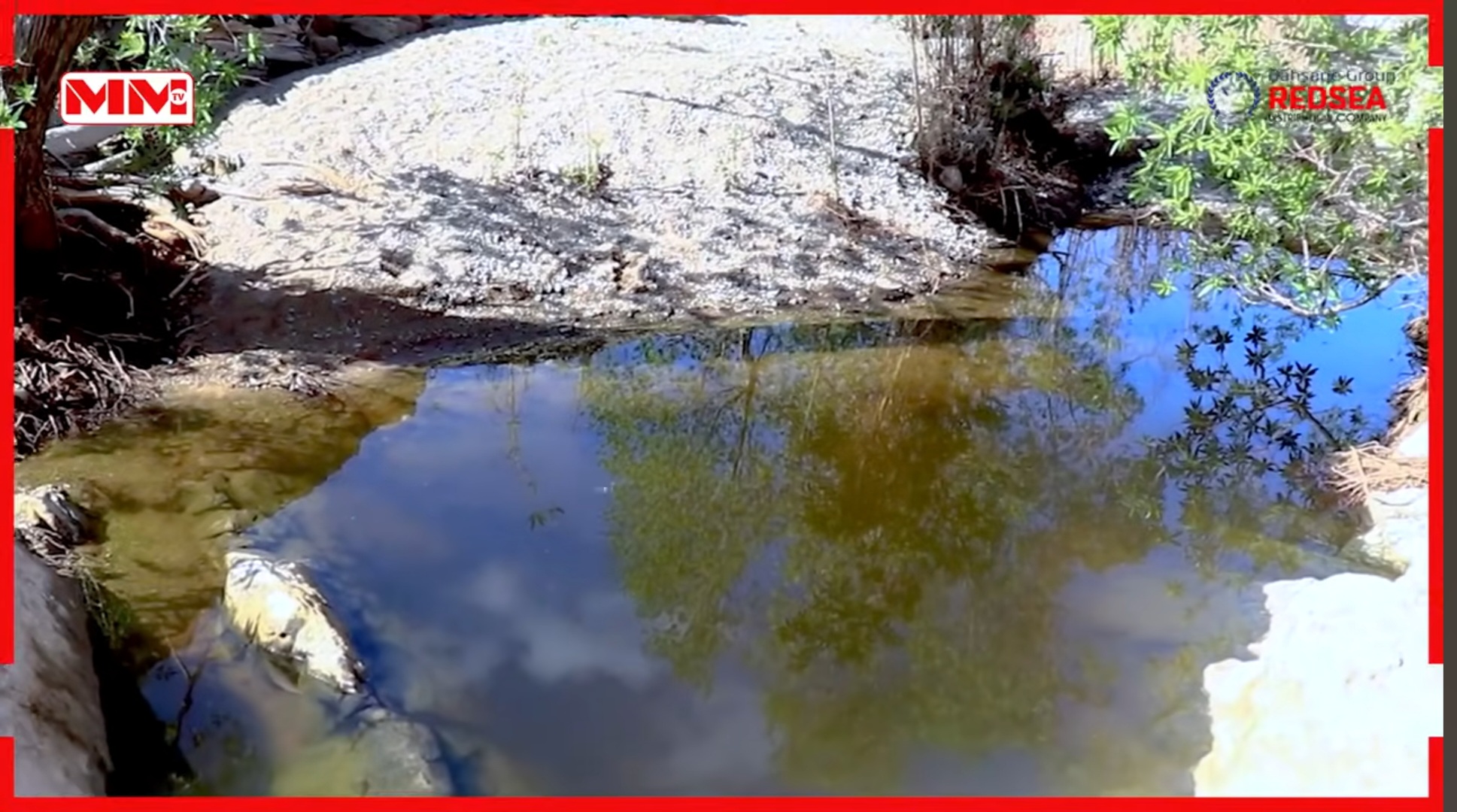
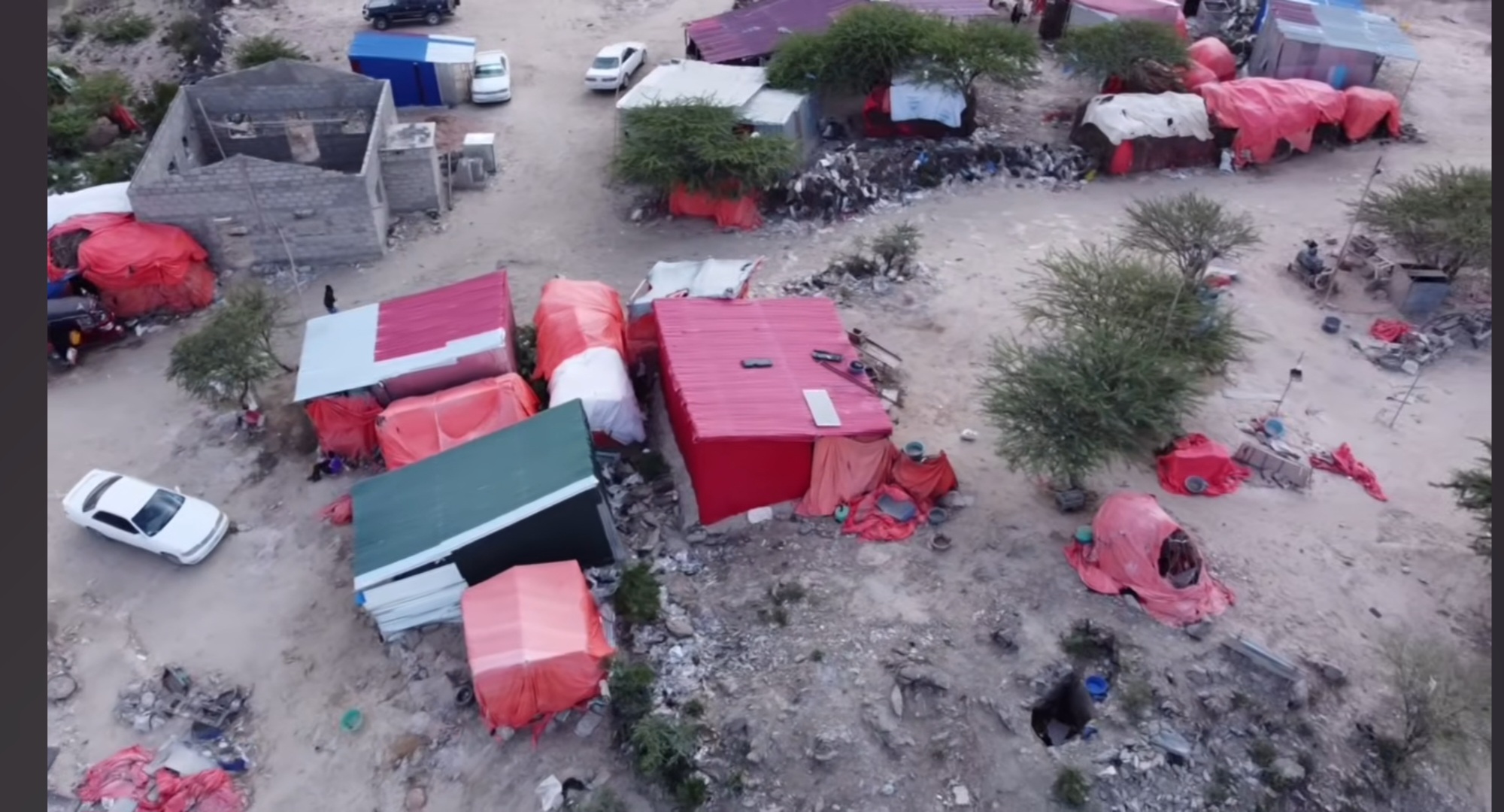
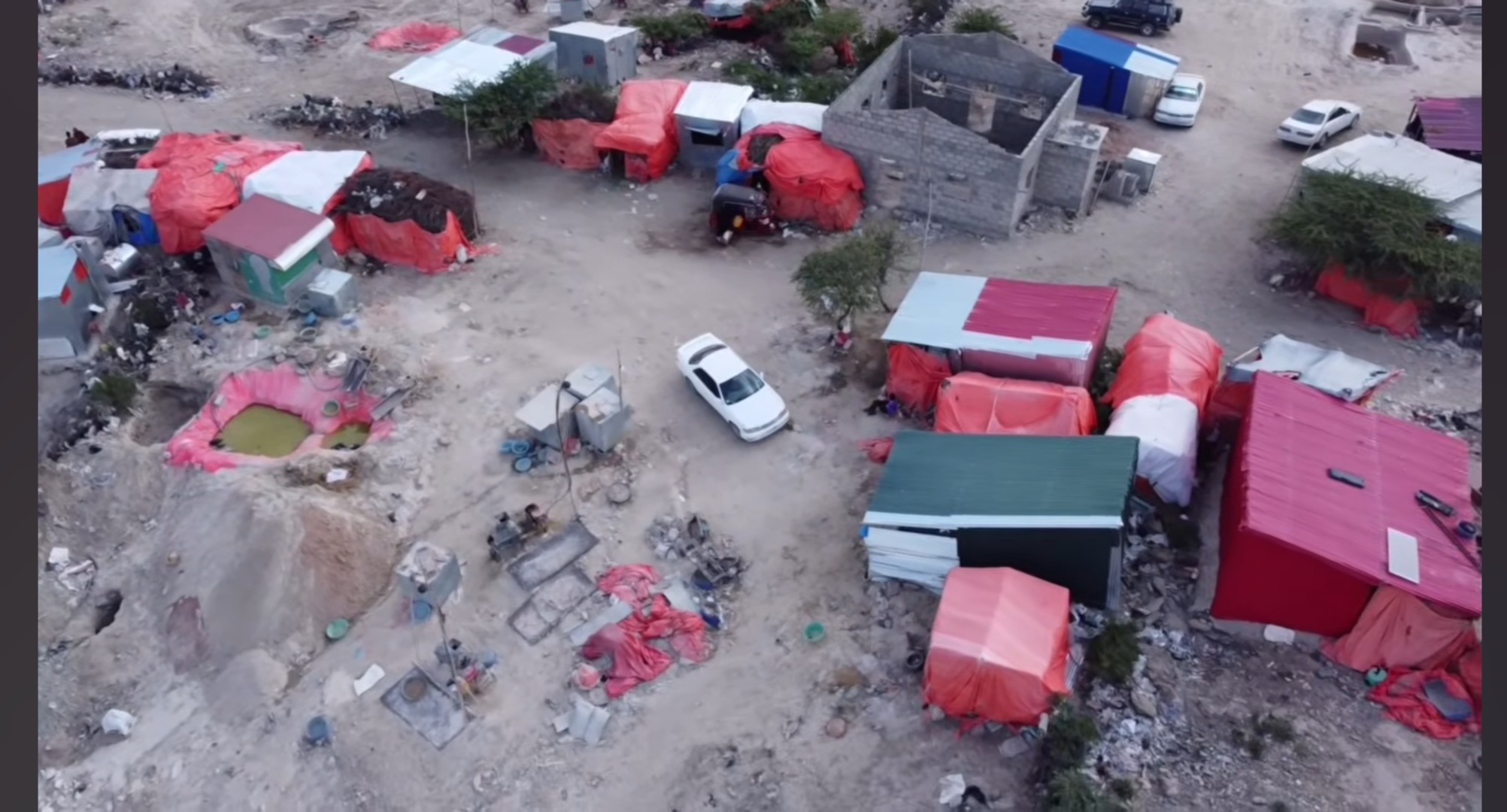
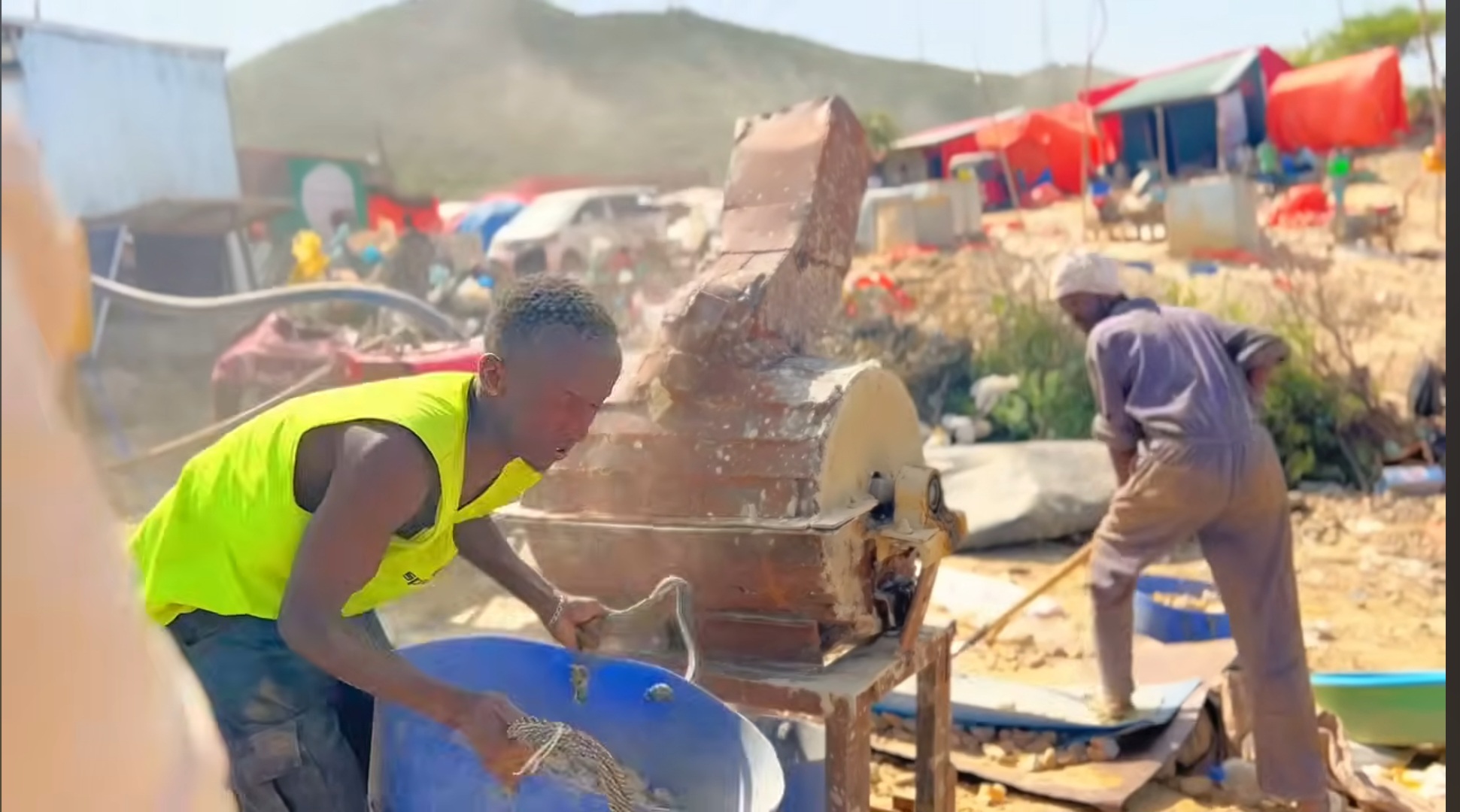
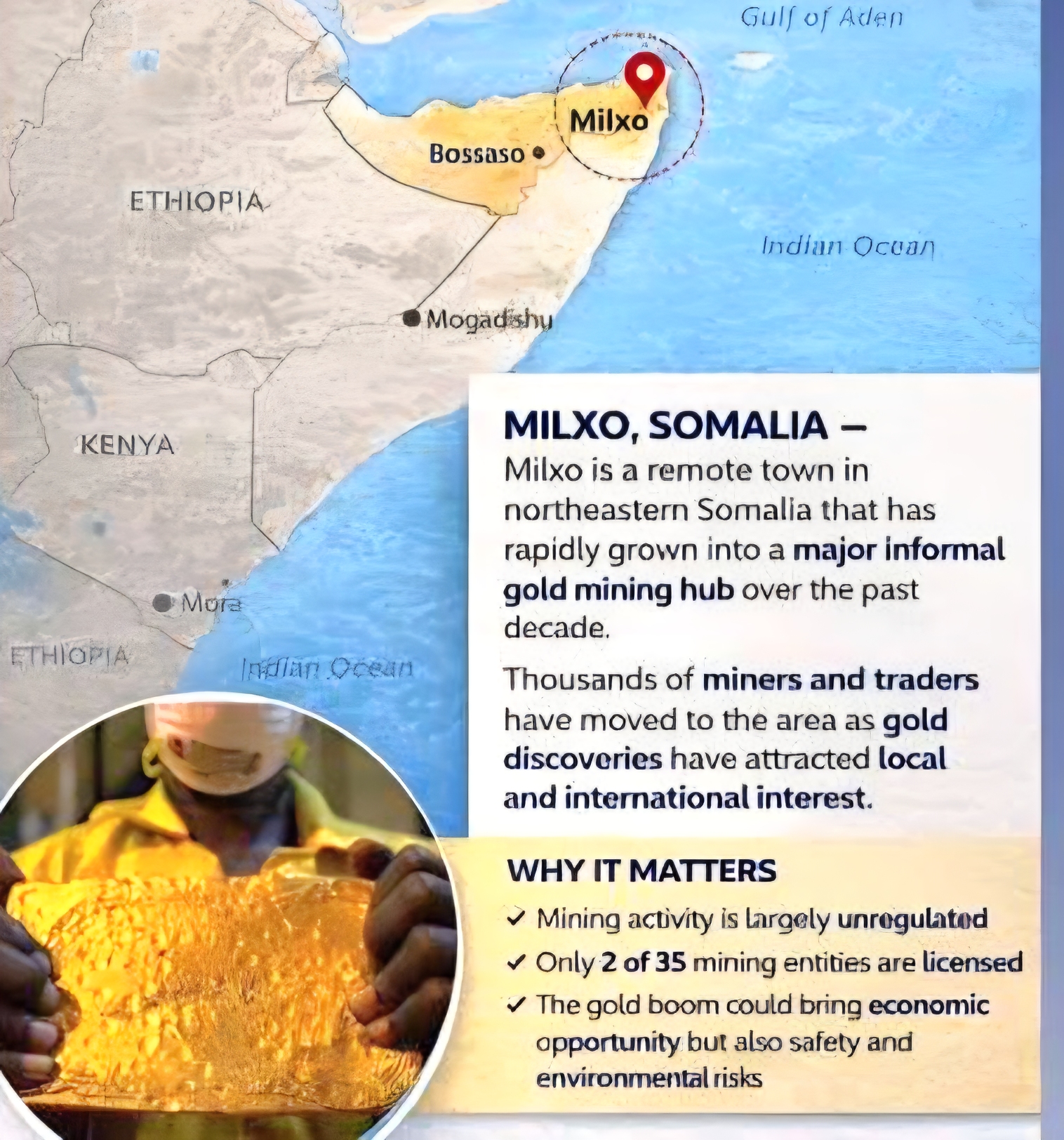
Image: illicit mining & environmental distruction in Milxo, puntland, Somalia.
This report warns that the continued destruction of ecosystems, unlawful appropriation of community lands, and waste of national resources undermine Somalia’s long-term development and climate resilience. Equally alarming are reports of increasing intimidation and persecution of environmental and climate justice defenders—particularly women—who advocate for environmental protection, transparency, and community rights.
The report calls for urgent reforms to strengthen environmental governance, ensure responsible mineral resource management, protect environmental defenders, and promote sustainable development consistent with national and international human rights and environmental standards.
1. Introduction
Somalia possesses considerable deposits of gold and other strategic minerals that could significantly contribute to national prosperity if managed transparently, responsibly, and sustainably.
Instead, growing evidence suggests that illegal and poorly regulated mining operations are contributing to environmental degradation, corruption, illicit financial flows, insecurity, and social conflict. Weak governance has created conditions in which natural resources risk becoming a source of instability rather than inclusive economic development.
The African Academy of Diplomacy believes that Somalia stands at a critical crossroads: either strengthen responsible governance of its natural resources or face escalating environmental damage, climate vulnerability, and social injustice.
2. Somalia’s Emerging Illegal Gold Economy
Recent discoveries of commercially valuable mineral deposits have triggered an unprecedented expansion of mining activities in several regions of Somalia.
While legitimate investment can support employment and development, the absence of effective regulatory oversight has reportedly enabled widespread illegal extraction characterized by:
unauthorized mining operations;
environmental degradation;
illicit export of mineral resources;
corruption and elite capture;
weak institutional oversight;
conflict financing;
organized cross-border smuggling.
Unless addressed through comprehensive reforms, Somalia risks losing billions of dollars in public revenue while communities continue to suffer environmental and social consequences.
3. Environmental Destruction and Climate Risks
The environmental consequences of unregulated mining are becoming increasingly severe.
Reports indicate:
destruction of forests and natural habitats;
contamination of rivers, wells, and groundwater;
destruction of grazing lands relied upon by pastoral communities;
extensive soil erosion;
biodiversity loss;
increasing desertification;
excavation without land restoration;
reported use of hazardous chemicals capable of causing long-term ecological and public health impacts.
These practices undermine Somalia’s climate resilience and increase the vulnerability of communities already affected by drought, water scarcity, and environmental degradation.
4. Land Confiscation and Community Rights
Mining activities have reportedly resulted in growing disputes over land ownership and access.
Communities have raised concerns regarding:
confiscation of ancestral lands;
forced displacement;
inadequate consultation;
lack of fair compensation;
exclusion from decisions concerning natural resource governance.
These practices disproportionately affect rural populations whose livelihoods depend upon access to land, water, and healthy ecosystems.
The protection of community land rights must remain a central pillar of sustainable natural resource governance.
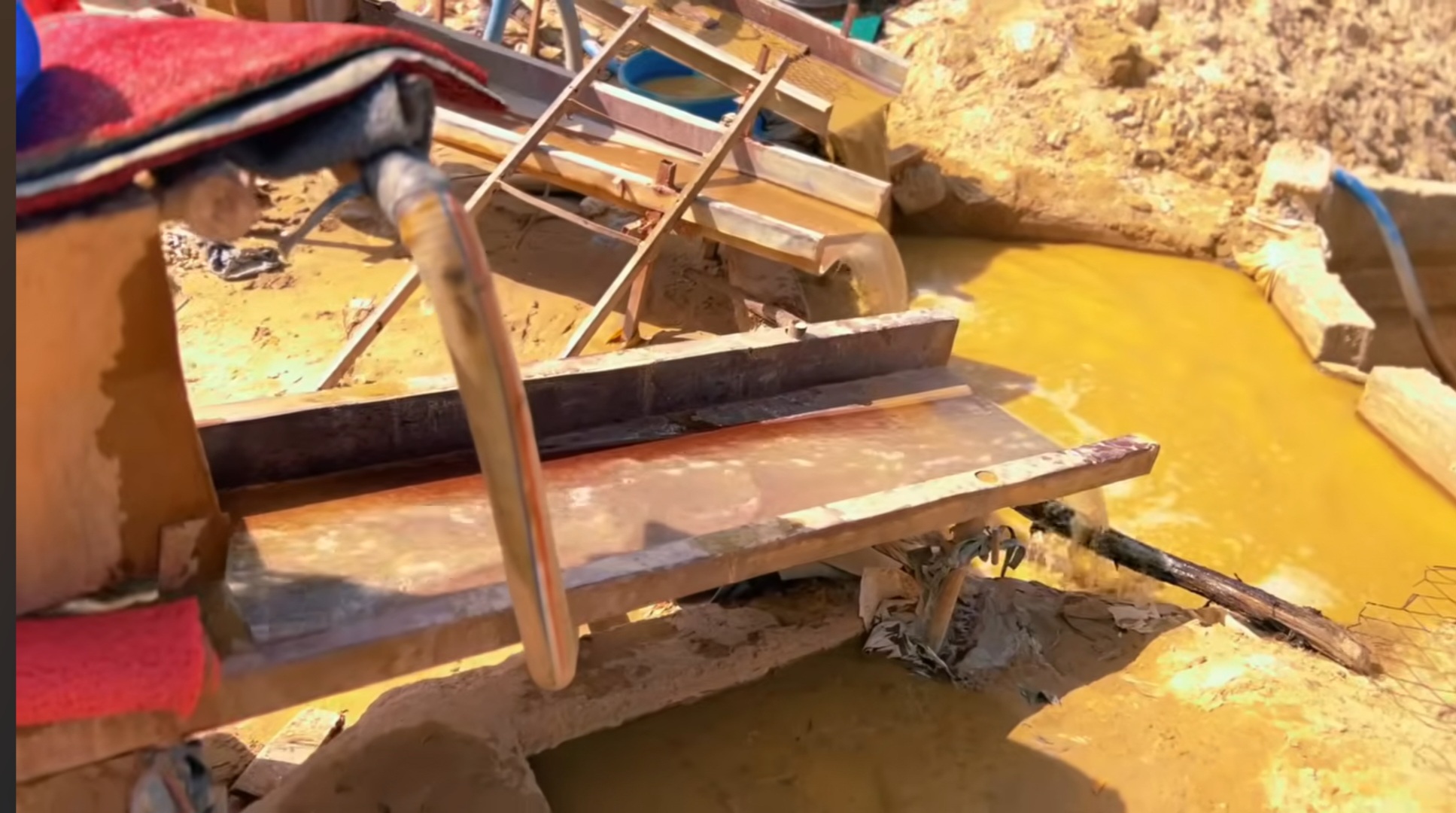
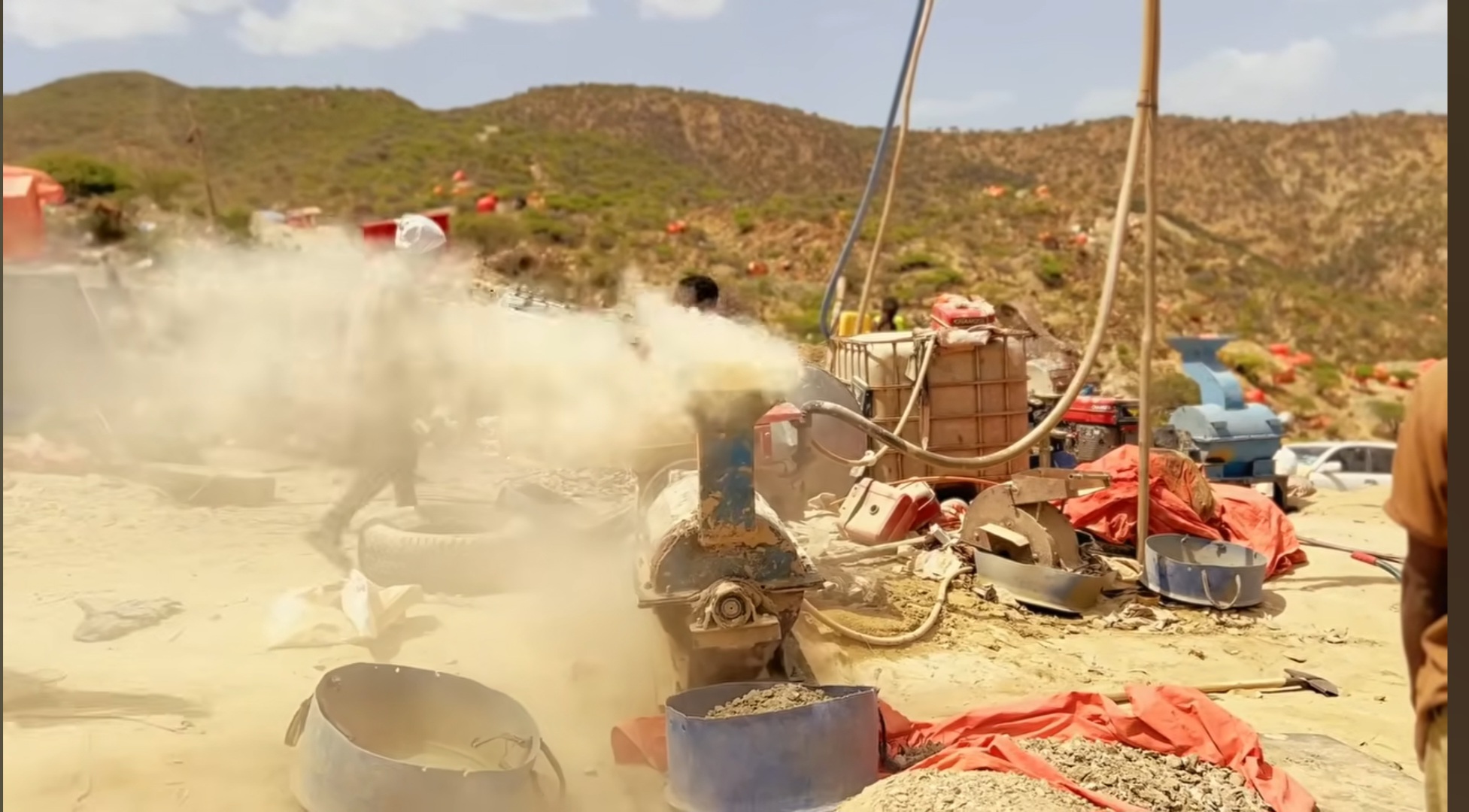
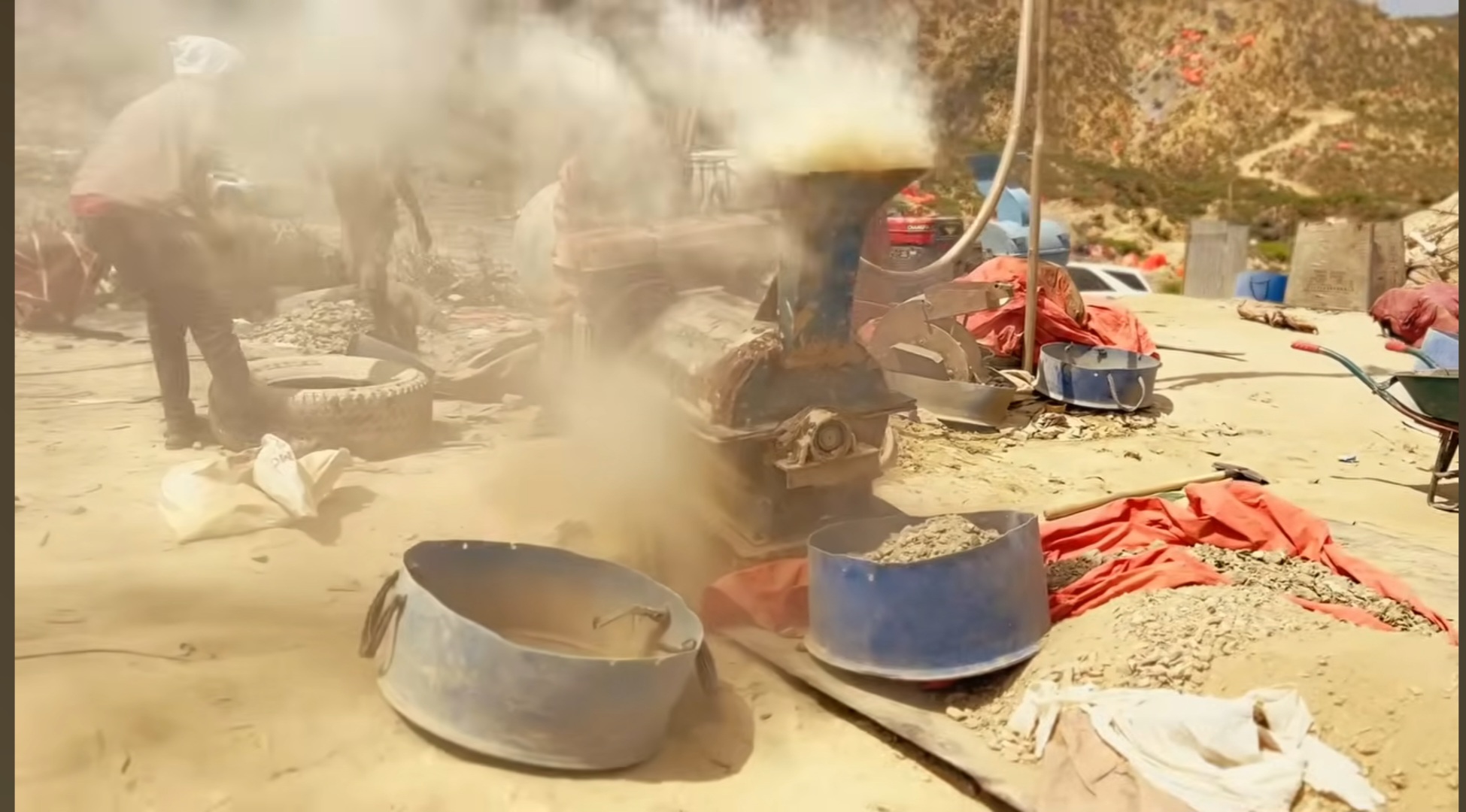
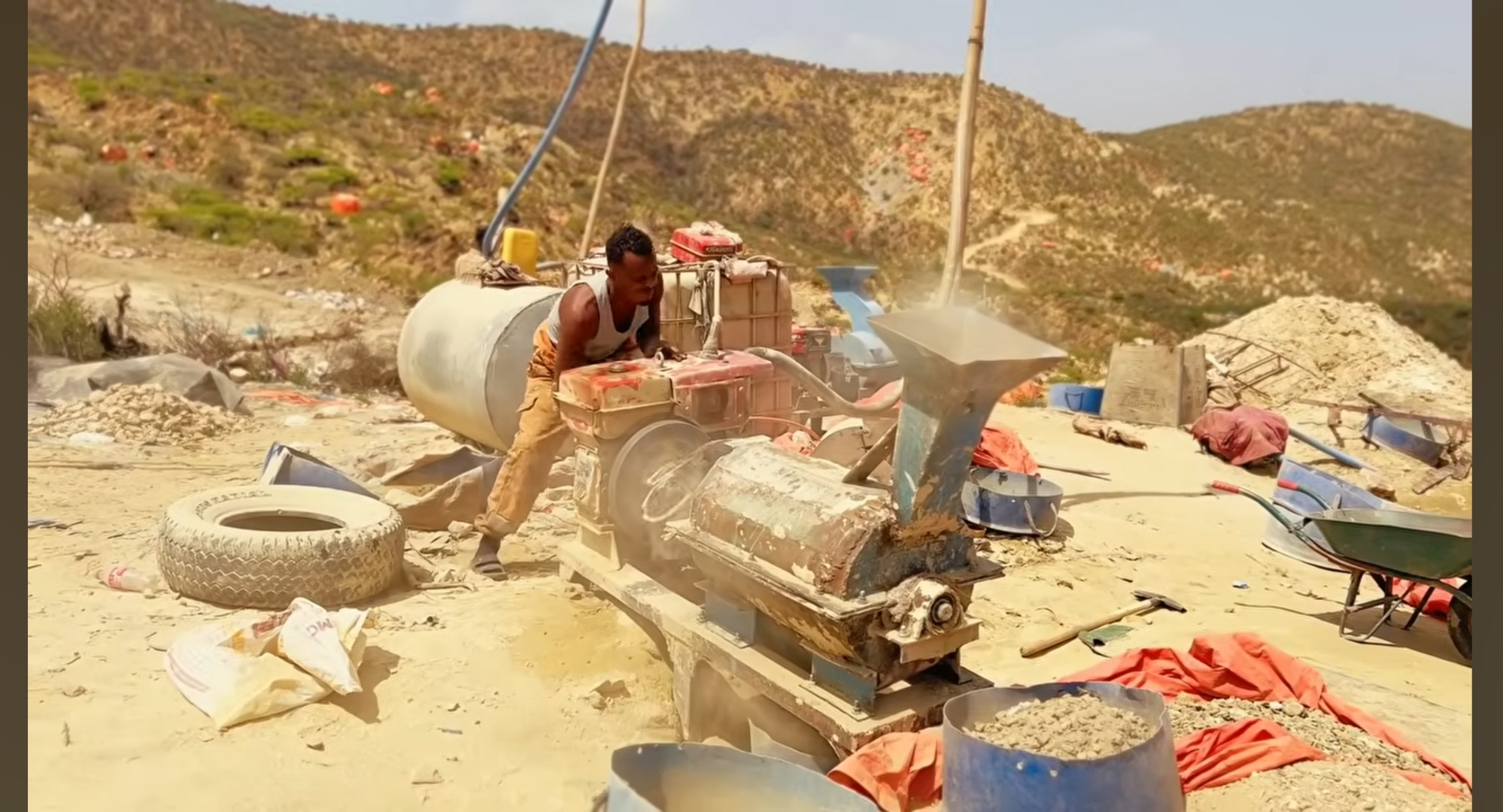
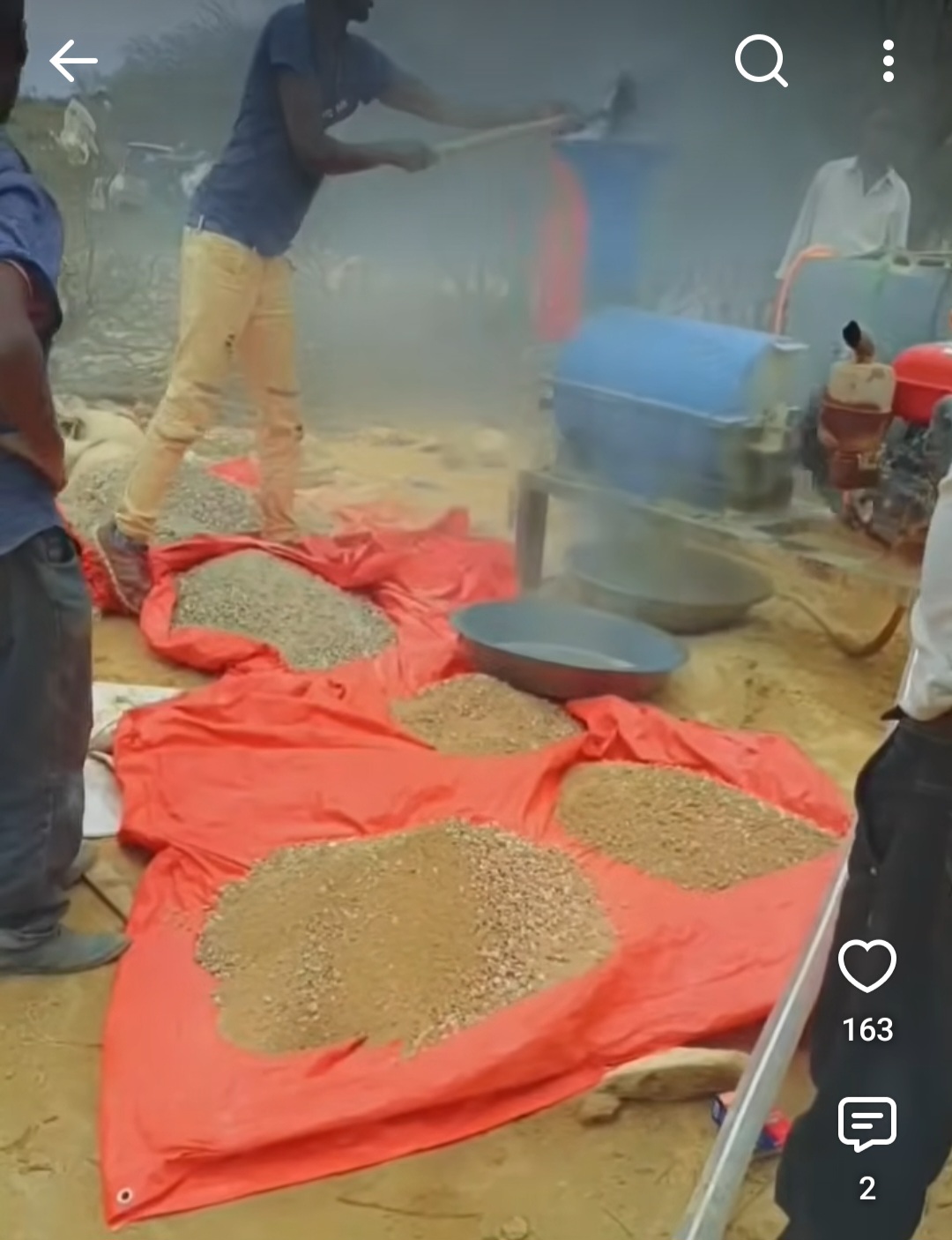
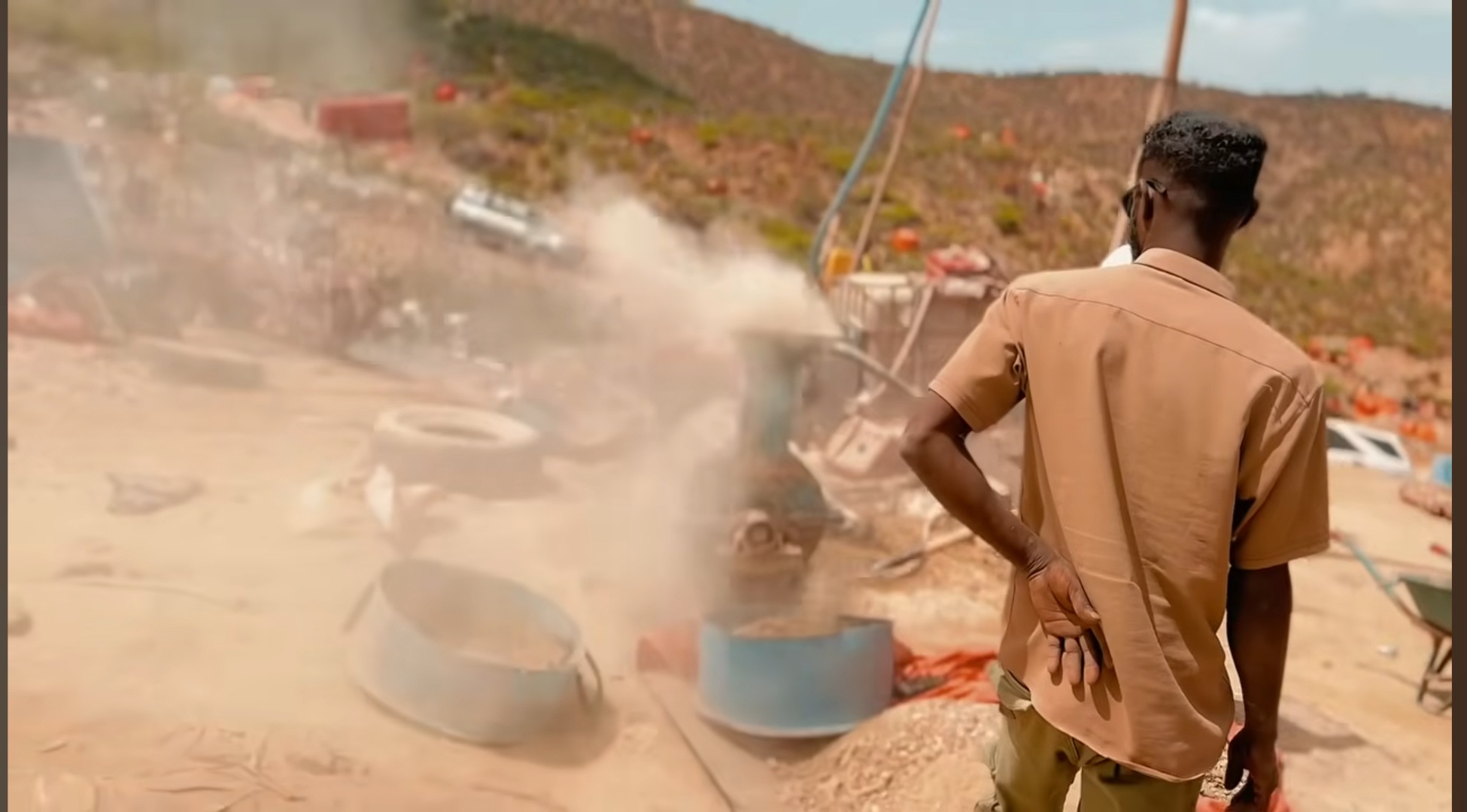
The Scale of the environmental destruction by the illicit mining in Milxo, Somalia.
The illicit mining Map
5. Women Environmental and Climate Justice Defenders Under Threat
AAD is deeply alarmed by reports that environmental and climate justice defenders are increasingly targeted because of their peaceful advocacy.
Women environmental defenders and climate activists from HANAHR appear to face heightened risks due to both gender-based discrimination and their work challenging powerful economic interests.
Reported risks include:
intimidation;
harassment;
online abuse;
surveillance;
arbitrary restrictions;
threats intended to silence advocacy.
Environmental lawyers, researchers, journalists, and community activists—including women advocating for environmental justice and climate resilience—play an indispensable role in protecting Somalia’s natural heritage and promoting accountability, according to the evironmental & climate activist and lawyer (I. A. ), himself was targed by the illicit mining actors to silence him and force him stop advocating for the envrinmental and climate justice for rural communities impacted by the illicit mining and full scale environmental destruction, who stresses that their safety must become a national priority.
6. Governance Challenges
The current situation reflects significant institutional weaknesses, including:
weak environmental governance;
inadequate mining legislation;
insufficient licensing oversight;
lack of transparency in extractive industries;
corruption;
limited environmental monitoring;
weak enforcement of environmental regulations;
insufficient public participation.
Without comprehensive institutional reforms, environmental degradation and resource exploitation are likely to intensify.
7. Policy Recommendations
The African Academy of Diplomacy recommends that:
The Federal Government of Somalia
Develop a comprehensive national mining policy aligned with international environmental and human rights standards.
Establish transparent licensing and monitoring mechanisms.
Conduct independent investigations into allegations of illegal mining and corruption.
Strengthen environmental impact assessment procedures.
Improve oversight of mineral exports and supply chains.
Regional Authorities
Enforce environmental regulations consistently.
Protect community land rights.
Prevent unauthorized mining operations.
Ensure transparency in licensing and resource management.
The African Union and IGAD
Support regional cooperation against illicit mineral trafficking.
Promote responsible extractive governance across the Horn of Africa.
Strengthen regional environmental protection mechanisms.
International Partners
Support institutional capacity-building for environmental governance.
Promote responsible sourcing of minerals.
Assist Somalia in combating illicit financial flows linked to illegal mining.
Protection of Environmental Defenders
AAD calls for urgent measures to:
investigate threats against environmental defenders;
protect women environmental and climate justice activists;
safeguard environmental lawyers, journalists, researchers, and community leaders;
guarantee freedom of expression, peaceful advocacy, and civic participation on environmental issues.
Conclusion
Somalia’s mineral wealth should serve as a foundation for sustainable development, environmental protection, and shared prosperity—not as a catalyst for ecological destruction, corruption, insecurity, and human rights violations.
The African Academy of Diplomacy urges Somali authorities, regional administrations, African institutions, international partners, civil society, and the private sector to adopt a new model of natural resource governance founded upon transparency, accountability, environmental sustainability, and respect for human rights.
Protecting Somalia’s environment also requires protecting those who defend it. Women environmental and climate justice defenders are indispensable partners in safeguarding the country’s future and must be allowed to carry out their legitimate work free from intimidation, violence, or reprisals.
Only through accountable governance, environmental stewardship, and meaningful community participation can Somalia transform its abundant natural resources into lasting peace, climate resilience, and sustainable development for present and future generations.
AAD Research Team
